

|
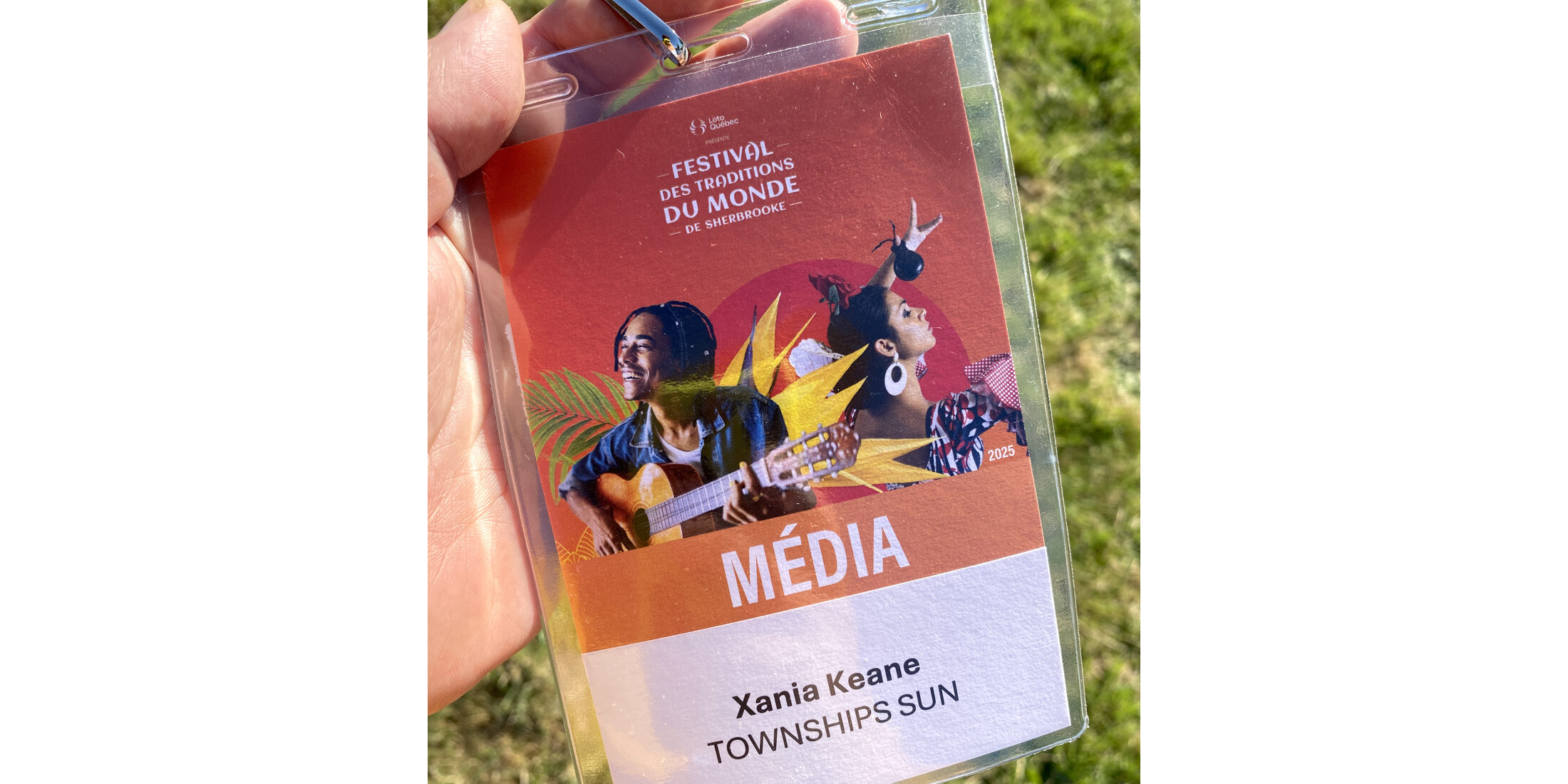
Music, dancing and bouncy castles as far as the eye can see: my six-year-old daughter loves this festival. We’ve gone every summer since moving to the Townships. This was our third time at the Festival des traditions du monde de Sherbrooke. Over two days, we saw over a dozen musical acts from across the globe. These were my child’s favourites… 4th place- Arthur l’Aventurier, les trésors du Maroc I don’t know who enjoyed Arthur more, the parents or the kids. The family tent was packed to the rafters on a hot, mid-August afternoon to watch Arthur, who, unbeknownst to me, is a Quebecois television star. People of all ages knew every song lyric and were chanting along. “This is a beautiful festival where different cultures can come together, be celebrated and welcomed, regardless of language, race, skin colour. We are all citizens of planet Earth,” said Arthur from the stage. 3rd place – The Imbayakunas This band from Ecuador had the audience on its feet in a state of absolute joy. My daughter spent the entire show dancing away right in front of the stage (with her ear protectors on). Playing indigenous Andean and Latin music, this band has won three Aboriginal People’s Choice Music Awards in Canada. 2nd Place – Polky We caught this Polish and Eastern European band by accident, during an unscheduled performance and they were absolutely exquisite. My daughter was captivated by their lively rhythms and melancholic harmonies. “As Polish people, we are quite depressed,” said one of the singers from the stage, “we drink a lot, we sing songs about funerals. But we’re learning how to be more Canadian. I asked my bandmate to write me a different song. So he wrote one about my daughter, called, ‘Better in the Morning.” 1st Place – Bon Débarras On a stormy Sunday, the last day of the festival, the family tent was half-empty, but this traditional Quebecois band filled the space with lively music. They honoured the origins of Quebecois song and dance by exploring its various influences. “The drive and rhythm is from the First Nations, the banjo comes from Africa, the mouth harp is from China, the step dancing comes from Ireland. All these influences came together to form what is now traditional Quebecois music,” said the band before launching into some fierce tunes.
|
|